THIS DOMAIN NAME IS FOR SALE LIST OF DOMAIN NAME PRICES —AT ABSHOT.COM


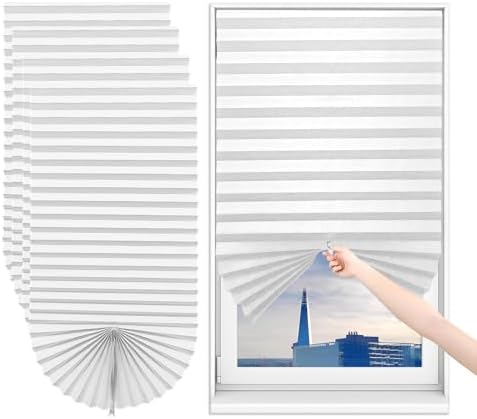


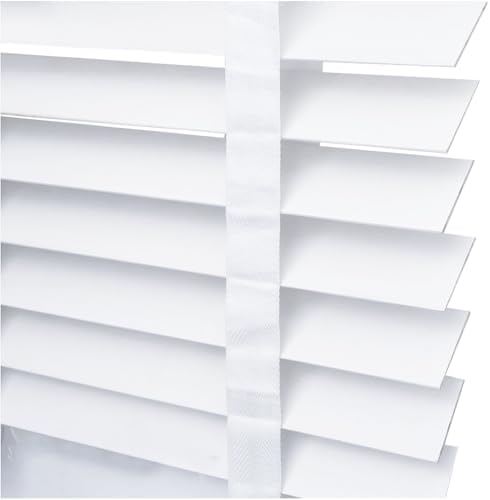


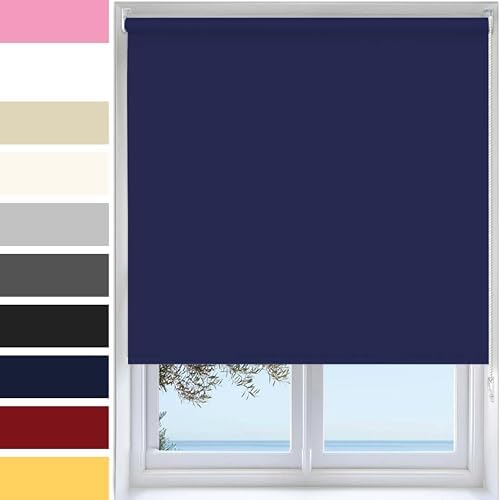
Window blinds serve as essential components in home decor, providing both functional and aesthetic benefits. In their broadest classification, blinds can be categorized into two primary types: vertical and horizontal. Each of these categories encompasses a variety of styles and materials, catering to different preferences and needs.
Vertical blinds are typically installed on large windows or sliding doors and consist of vertical slats that can be rotated to control light and privacy. Common materials for vertical blinds include fabric, vinyl, and aluminum, which offer varying levels of light control and durability. The fabric options display a range of textures and colors, allowing homeowners to match the blinds with their interior design. Furthermore, vertical blinds are advantageous for spaces that demand enhanced airflow and unobstructed views when opened.
On the other hand, horizontal blinds consist of slats that are oriented horizontally, making them suitable for smaller windows. They can also be found in various materials such as wood, faux wood, aluminum, and fabric. Wooden horizontal blinds exude elegance and warmth, while aluminum options are more resilient and easier to maintain. The functionality of horizontal blinds allows for precise control over light levels, making them ideal for bedrooms and living rooms where privacy is a priority.
Besides vertical and horizontal classifications, other noteworthy variations in blinds include roller shades, cellular shades, and pleated shades. Each type addresses unique design preferences and functional requirements, further enriching the world of window treatment options. This foundational knowledge of blinds’ categories will aid homeowners in making informed decisions about which type complements their space and serves their practical needs best.
Pros and Cons of Vertical Blinds
Vertical blinds are a popular window treatment choice, particularly for large windows and sliding glass doors. One of the primary advantages of vertical blinds is their ability to cover expansive areas effectively. With vertical slats that can be adjusted to control light and privacy, they offer significant flexibility in managing sunlight while maintaining an open feel in a room. Their design allows for ease of operation, especially when utilizing a wand or cord system, which can be open or closed with minimal effort.
Another notable benefit is the ease of cleaning. Vertical blinds typically have fewer surfaces to accumulate dust compared to horizontal blinds. Additionally, the materials used, such as vinyl or fabric, can usually be wiped down or vacuumed, making maintenance straightforward. This can be particularly advantageous in homes with pets or high foot traffic, where cleanliness is a priority.
However, vertical blinds come with certain drawbacks. One significant concern is their susceptibility to damage. The vertical slats can often become bent or broken, especially in areas subjected to high levels of activity or if pets frequently interact with them. This can necessitate frequent replacements or repairs, potentially leading to additional costs. Furthermore, while vertical blinds are functional, their aesthetic appeal may not suit all interior styles. Some homeowners prefer the elegance that horizontal blinds provide, which may better complement certain décor.
Furthermore, operational issues can arise, as sliding mechanisms may become stuck over time, complicating their usage. As a result, it is essential for homeowners to weigh these pros and cons carefully. Understanding both the practical benefits and limitations of vertical blinds will allow individuals to determine if they are the right fit for their home. Choosing the appropriate window treatment involves considering not only functionality but also overall design compatibility.
Pros and Cons of Horizontal Blinds
Horizontal blinds are a popular choice for window coverings due to their versatility and aesthetic appeal. One of the primary advantages of horizontal blinds is their ability to complement various decor styles, ranging from traditional to contemporary. Available in materials such as wood, faux wood, aluminum, and vinyl, these blinds can enhance the overall look of a room by matching or contrasting with existing furnishings. Moreover, horizontal blinds are particularly effective in regulating light; their slats can be angled to allow natural light in while providing privacy, which is essential for homeowners looking to create a comfortable living environment.
Another benefit of horizontal blinds is their ease of operation. Most models come with a simple pull cord or a mechanism that allows users to tilt the slats with minimal effort, offering a convenient solution for adjusting light levels throughout the day. This ease of use makes them suitable for everyday settings, whether it’s in the living room, bedroom, or office.
However, there are some drawbacks to consider when opting for horizontal blinds. One significant limitation is their effectiveness for larger windows or sliding doors. In such cases, their structure may not provide adequate coverage and could lead to a less cohesive appearance. Additionally, horizontal blinds tend to accumulate dust and require regular cleaning to maintain their appearance. The slats can be challenging to clean thoroughly, especially in homes with pets or children, where fingerprints and smudges may be more prevalent.
Ultimately, the decision to choose horizontal blinds depends on individual preferences and specific window requirements. By weighing the benefits and disadvantages, homeowners can determine if these blinds align with their needs, enhancing their living spaces while considering practicality and style.
Making the Right Choice: Factors to Consider
When selecting between vertical and horizontal blinds for your home, several crucial factors must be taken into account to ensure that your choice complements the overall functionality and aesthetic of your living space. One of the primary considerations is the size and type of your windows. Vertical blinds work best with larger windows or sliding doors, as they effectively cover wide areas and allow for minimal obstruction when opened. Conversely, horizontal blinds are typically better suited for standard or smaller windows, providing a neat appearance that fits well within compact spaces.
Another significant aspect is the functionality of the room where the blinds will be installed. For high-traffic areas such as living rooms or children’s playrooms, horizontal blinds might be more appropriate due to their easier operation and resistance to wear and tear. On the other hand, vertical blinds are ideal for spaces that require maximum light control and privacy, as their design facilitates adjustment for greater flexibility in light filtration.
Moreover, the design aesthetic of your interior should guide your decision. Horizontal blinds offer a classic and timeless look, which can enhance traditional decor, while vertical blinds provide a modern and minimalist vibe that can suit contemporary settings. Maintenance is another practical factor; horizontal blinds tend to be easier to clean and maintain over time compared to their vertical counterparts, which may require more frequent dusting due to their vertical orientation.
Lastly, budget plays a critical role in making the right choice. While both types of blinds are available at varying price points, it is essential to assess your financial commitment to ensure longevity and satisfaction. By considering these factors—window size and type, room functionality, design, maintenance, and budget—you can make a well-informed decision that effectively enhances your living space.
Contact information — Please use contact form on http://www.abshot.com/contact/